



















Vertical Farming on Campus
Enhance sustainability initiatives, launch hands-on learning programming, and provide students with fresh, local produce year round with a Freight Farm.
Grow the Future You Want to See
Freight Farms serve as an on-campus interactive laboratory and experiential learning space, all while producing local food year round for dining halls or the greater community.
Join the growing movement of colleges and universities embracing Freight Farming and lead the way towards a greener, healthier future. Discover how this innovative solution can transform your campus and make a positive impact on a global scale.
✅ Sustainable Food Production
✅ STEM Education & Hands-on Learning
✅ Student Attraction and Retention
✅ Innovative Research
Download Our Free Grow on Campus Booklet
Got a Question?
One Freight Farms Greenery S is capable of growing lettuces, leafy greens, herbs, brassicas, certain root vegetables, microgreens, edible flowers, and many other crops in any location, regardless of exterior climate.
What is a Freight Farm?
A Freight Farm is a modular, hydroponic, vertical farm built entirely inside a 40 foot shipping container. It can grow hundreds of different crops in any environment.
What are the different uses for the farm?
Colleges and universities use the farms in a variety of ways, including:
- Create coursework and classes specifically around the farm
- Supply student cafeterias with hyper-local produce
- Conduct research in a variety of disciplines
- Incorporate farm business operations into entrepreneurial programs
- Attract new students and donors
Are there financing options?
There are quite a few financing options for colleges and universities and we're happy to help you through the process. Check out these grant resources on the Freight Farms website or Grants.gov.
What is the cost of the container farm?
Our container farms are available for $180,000 as an outright purchase or for $3,000 USD/month through the Growcer Fund—a farm-as-a-service model that reduces upfront costs up to 75% and includes installation, maintenance, and premium support without capital purchase requirements.
Education Program Guide & Curriculum
Our complete program guide includes specific guidance on using a Freight Farm as an educational platform, comprehensive curriculum ideas, and lesson plans.

Schools and Universities Edition
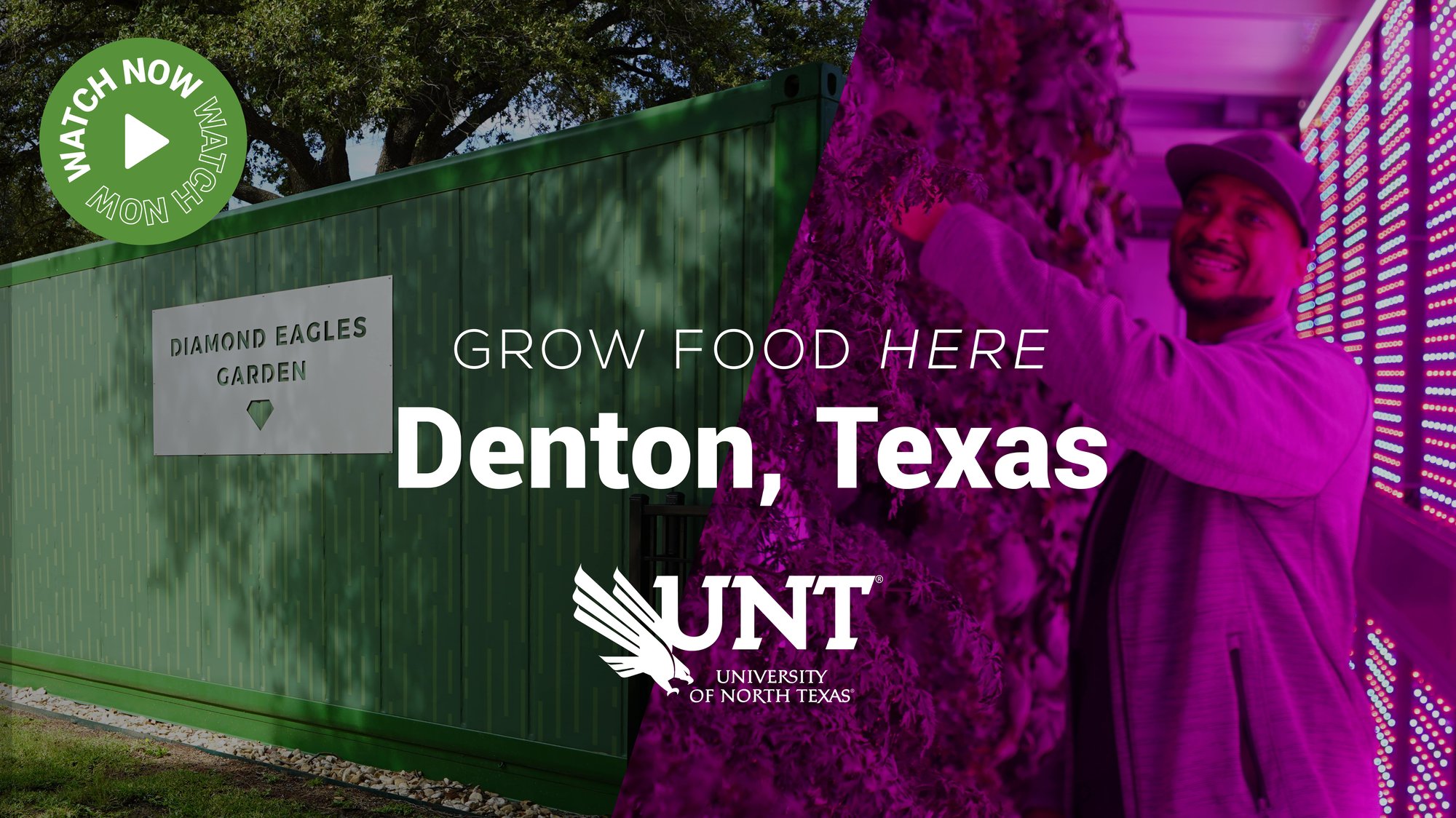
Watch our series on how schools and universities across the globe utilize Freight Farms to provide authentic hands-on learning experiences for their students and grow fresh hydroponic lettuce for their campuses. In our Grow Food Here series, we visit a few of them to learn more about how each implements their vertical farm.
Hear from the schools leading the way
Colleges and universities across the country are spearheading innovative initiatives on their campuses with Freight Farms technology. Grow the future you want to see — in your city, classrooms, nonprofit communities, and everywhere in between.
Cutting-edge teaching and fresh produce for students
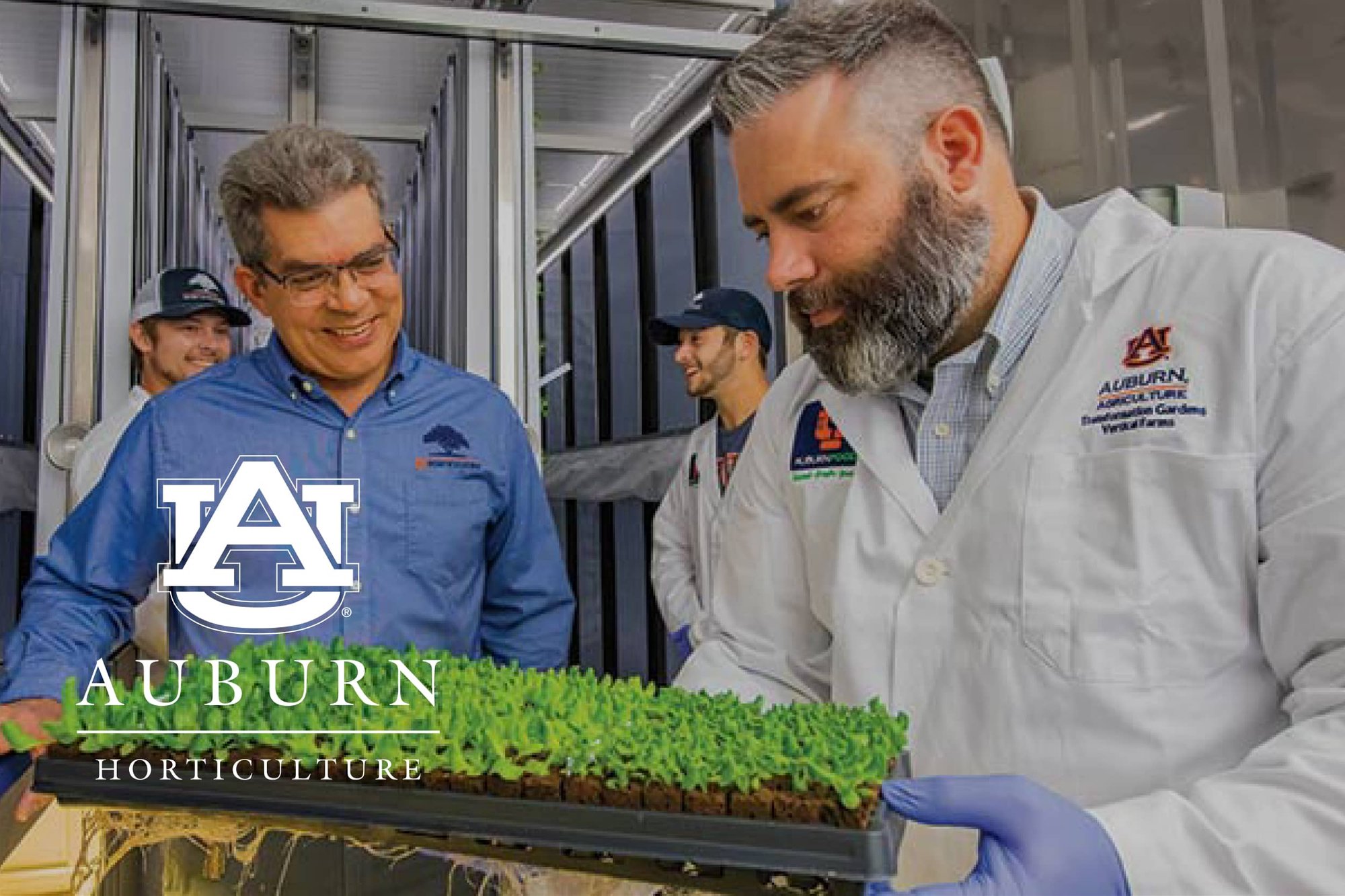
The two Freight Farms at Auburn University are a part of the college’s horticulture program. The progressive Department of Horticulture conducts research and lessons exploring new technologies such as vertical farming while producing literally tons of food for the dining hall to serve.
Employment, education and sustainability on campus
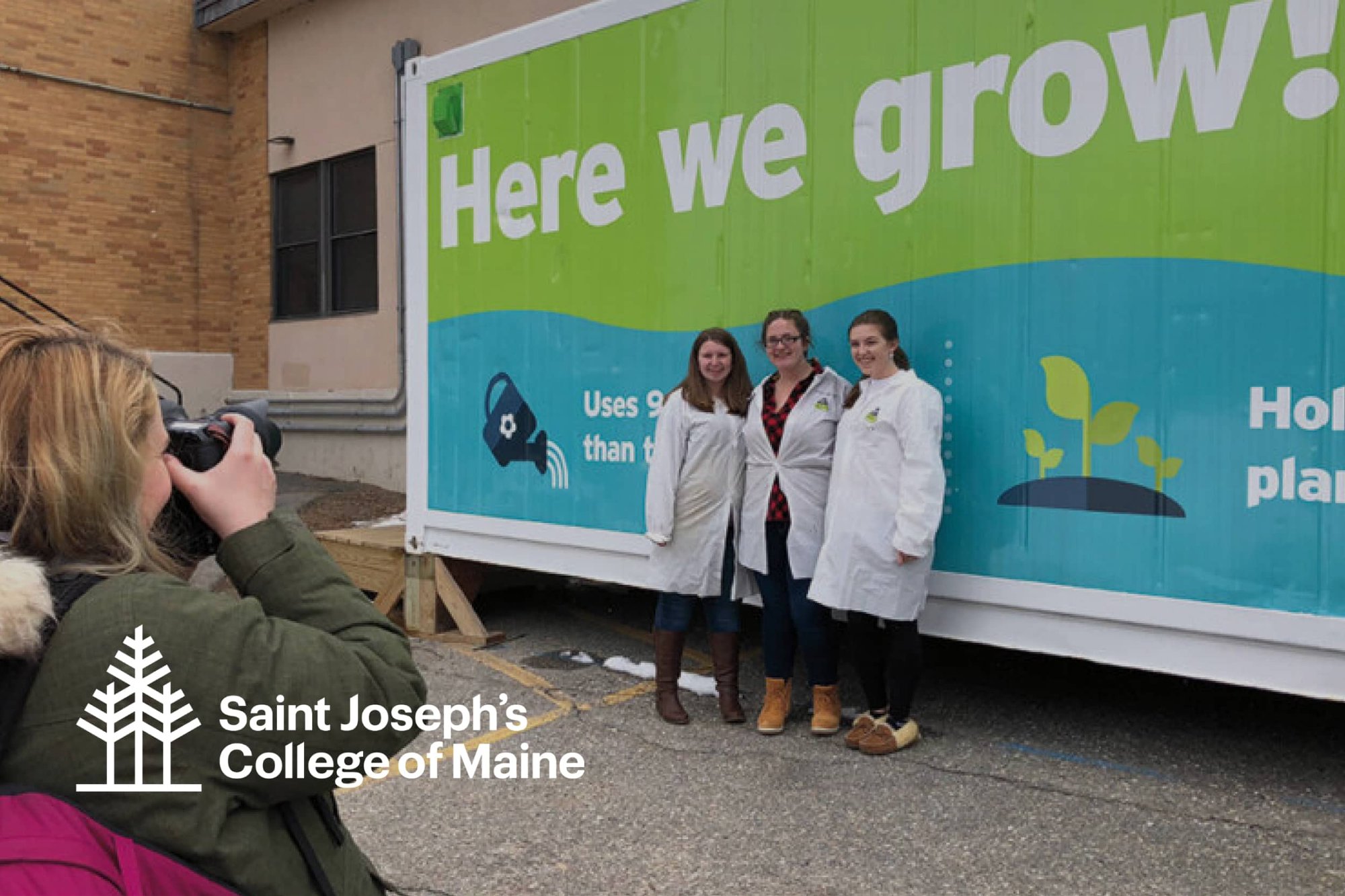
ST. Joseph's College of Maine (SJCME) is a small Catholic liberal arts college in rural Maine. In addition to serving fresh and local food year-round, SJCME brought a farm to campus to offer meaningful opportunities for student employment, create community-based learning curriculums, and add sustainability initiatives.
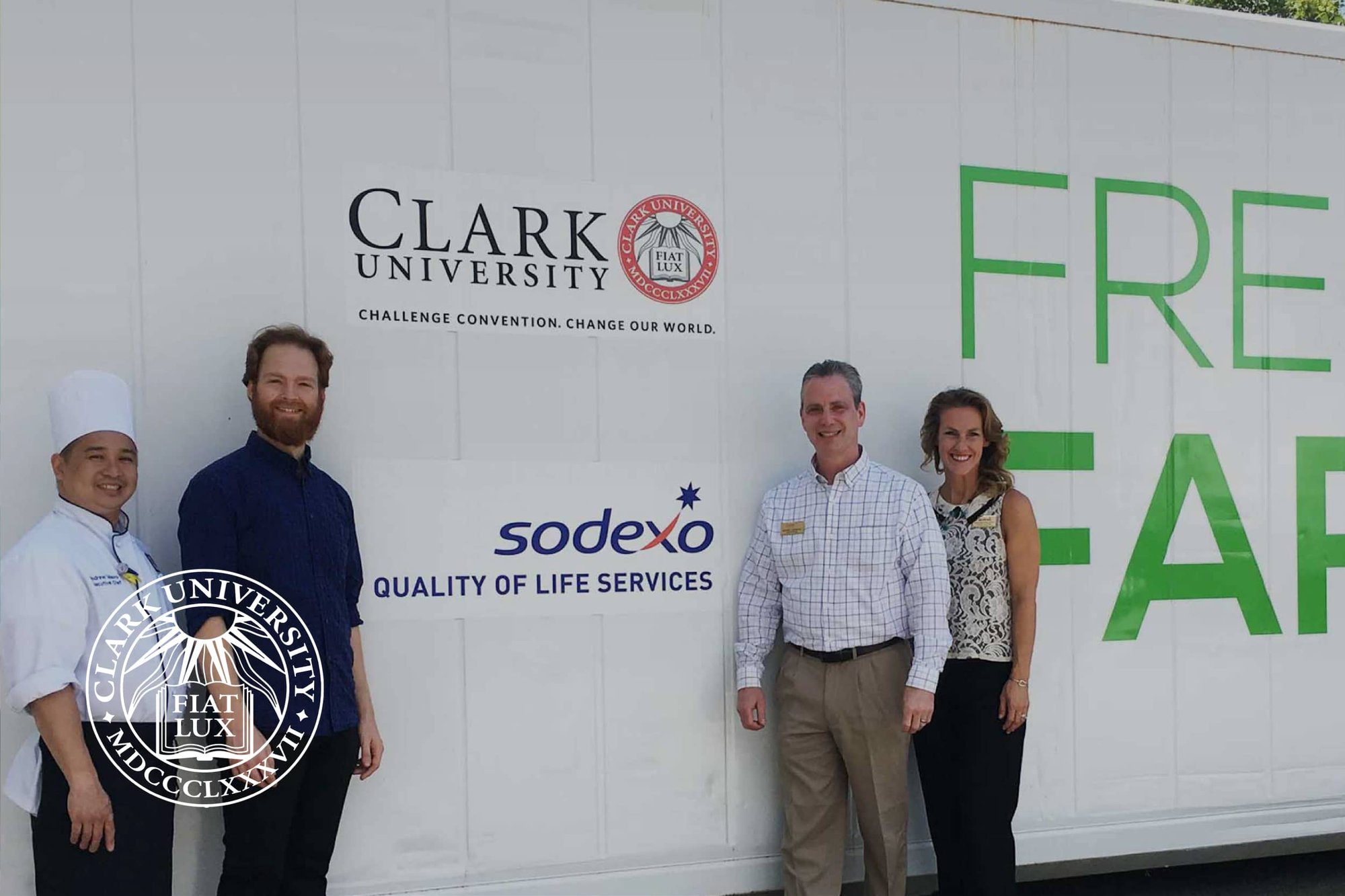
Teaming with Foodservice to bring freshness and sustainability to campus
Clark University and Sodexo brought Freight Farms to campus to provide students the freshest greens possible. Since then, they have been growing hyper-local produce successfully only 100 yards from where it is served.